Cloud Kitchen Menu Design for Delivery-Only Success
Running a cloud kitchen in India comes with unique challenges—especially when your customers only order for delivery. Designing a menu that not only delights but also travels well can dramatically boost customer satisfaction and reduce costly food wastage. This guide reveals proven strategies tailored for Indian cloud kitchens to optimize your delivery-only menu and streamline operations.
Quick answer: To design a cloud kitchen menu optimized for delivery-only customers, focus on selecting items that maintain quality during transit, use packaging suited for Indian food textures, and apply menu engineering principles that reduce food wastage. Prioritizing portion control, ingredient overlap, and delivery-friendly dishes enhances food quality on arrival and increases customer satisfaction.
What is Cloud Kitchen Menu Design and Its Importance for Delivery-Only Customers
Cloud kitchen menu design refers to crafting a food menu specifically tailored for delivery operations without any dine-in option. Unlike traditional restaurant menus, which prioritize in-house presentation and dine-in experience, cloud kitchen menus focus on how dishes perform once packed and delivered.
Delivery optimization: Selecting dishes that retain texture, flavor, and temperature during transit.
Menu engineering for Indian cuisines: Indian dishes often feature complex flavors and varying preparation times, requiring thoughtful sequencing and item selection to maintain quality.
Operational impact: A well-designed delivery-only menu streamlines kitchen workflow, reduces preparation bottlenecks, and enhances customer satisfaction by delivering consistent, tasty meals.
For example, a Delhi-based cloud kitchen specializing in North Indian cuisine revamped their menu to exclude dishes prone to sogginess and introduced biryanis and dry roasted snacks instead. This change increased their repeat order rate by 20% within three months by ensuring food quality on arrival.
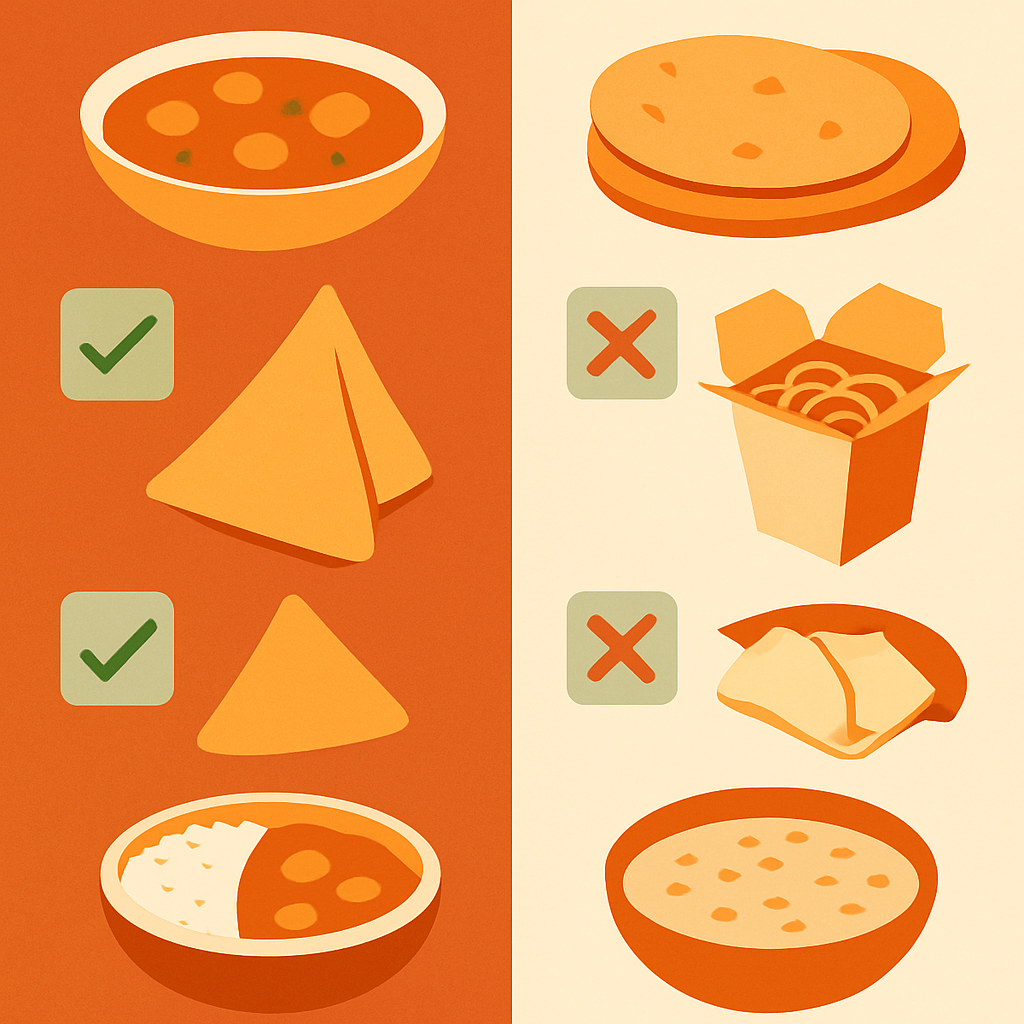
Visual checklist comparing delivery-friendly and poor delivery Indian dishes for menu design
Best Practices for Delivery-Only Menu Optimization in Indian Cloud Kitchens
Optimizing menus for delivery in India requires practical strategies reflecting local tastes, ingredient availability, and delivery infrastructure.
Choose dishes that travel well: Biryani, tandoori kebabs, and dry snacks like samosas or pakoras maintain texture and flavor better than gravies prone to sogginess.
Portion control: Standardizing portion sizes reduces food wastage and ensures consistent customer experience. For instance, serving 150g of biryani per container aligns with typical Indian meal preferences.
Ingredient overlap: Use common ingredients like onions, tomatoes, and spices across multiple dishes to simplify inventory and reduce spoilage.
Leverage cloud kitchen technology: Real-time menu adjustments based on delivery feedback enable quick removal of underperforming items and addition of popular dishes.
A Mumbai-based cloud kitchen implemented strict portion control and simplified its menu from 30 to 18 items, resulting in a 15% reduction in food wastage and faster order fulfillment times.
Reducing Food Wastage in Cloud Kitchens Through Smart Menu Engineering
Food wastage is a significant cost driver in cloud kitchens. Smart menu engineering tailored to Indian food operations can minimize wastage while maintaining variety.
Shared ingredients: Designing dishes that use overlapping fresh produce and spices reduces procurement complexity and spoilage.
Dynamic menu updates: Adjusting menus based on demand trends and seasonal availability ensures only popular items are stocked.
Data analytics: Monitoring sales and waste data helps identify low-selling items for removal.
Portion sizing: Aligning portions with typical Indian meal sizes avoids leftovers that customers often discard.
For example, a Delhi cloud kitchen used sales and wastage data to remove 5 low-performing dishes and introduced a weekly rotating menu with seasonal vegetables, leading to a 25% drop in raw material wastage within six months.
Packaging Challenges and Solutions for Indian Cloud Kitchen Menu Design
Packaging plays a crucial role in preserving food quality during delivery, especially for Indian dishes known for their gravies and fried items.
Heat retention and sogginess prevention: Use insulated containers with vented lids to keep curries hot without steam buildup that causes sogginess.
Compartmentalized packaging: Multi-item meals like thalis benefit from containers with separate compartments to keep rice, curry, and sides distinct and fresh.
Eco-friendly materials: Biodegradable and recyclable packaging aligns with growing Indian consumer preferences and regulatory trends.
Spill-proof and tamper-proof: Secure seals and leak-resistant containers build customer trust by preventing mess during transit.
A Bengaluru cloud kitchen switched from plastic clamshell boxes to biodegradable, compartmentalized containers. This change improved customer satisfaction scores by 12% over four months and reduced packaging complaints.
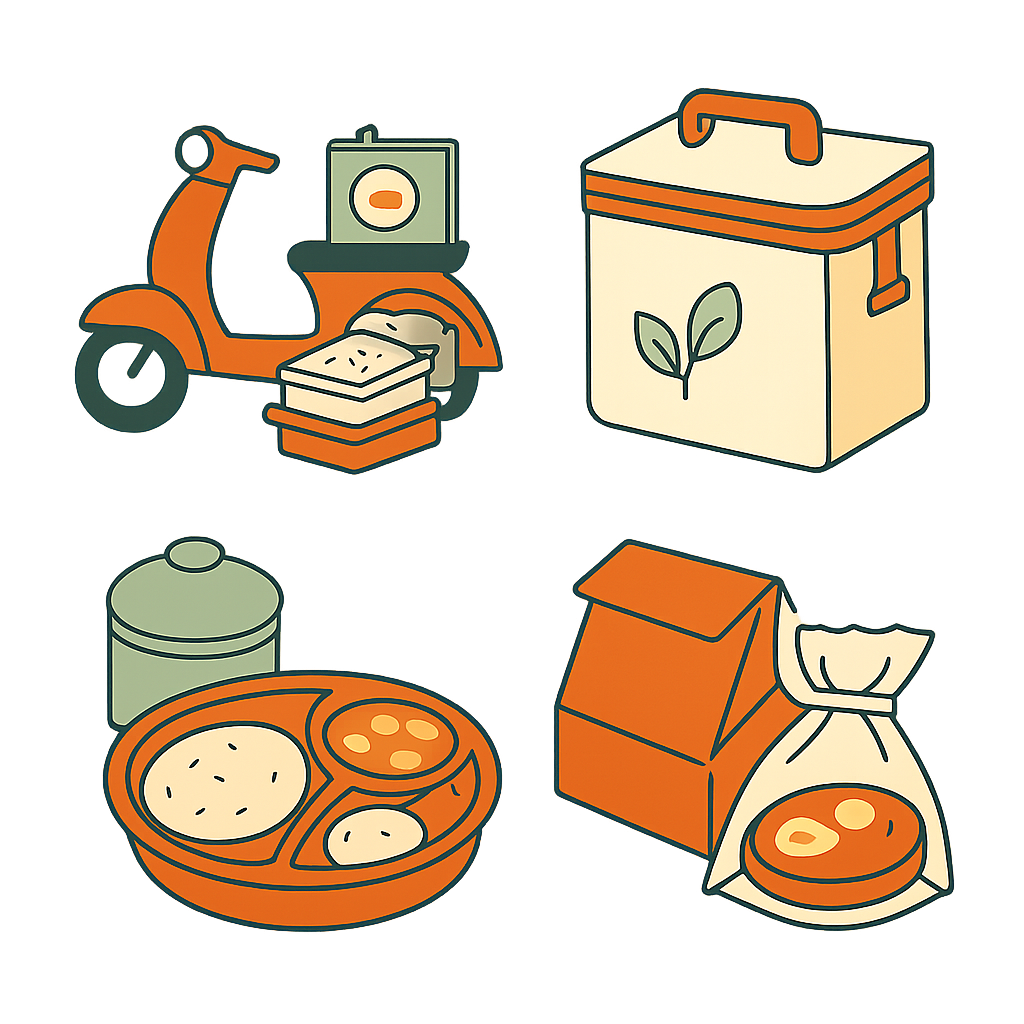
Diagram of packaging types and techniques preserving food quality during delivery
Improving Food Quality on Arrival: Tips for Indian Cloud Kitchen Menu Design
Ensuring food tastes fresh and appealing upon delivery requires precise control over cooking, packaging, and delivery handling.
Optimize cooking and holding times: Avoid overcooking dishes like paneer tikka or dosa that can become rubbery or soggy.
Separate sauces and gravies: Packing gravies separately from rice or fried items preserves texture—customers mix before eating.
Temperature control: Use insulated bags during delivery and packaging that traps heat without condensation.
Delivery staff training: Educate riders on handling packages upright and minimizing transit time to reduce damage.
A cloud kitchen in Pune implemented separate sauce containers for its butter chicken and naan combo, resulting in a 30% improvement in food quality ratings reported in post-delivery customer surveys.
Top Performing Menu Items in Indian Delivery-Only Cloud Kitchens
Understanding which dishes resonate best in delivery helps cloud kitchens maximize sales and reduce food wastage.
Biryani: Hyderabadi and Lucknowi biryanis consistently rank as top delivery items due to their robust flavor and suitability for reheating.
Kebabs and tandoori items: Dry or roasted meats travel well and retain texture better than curried dishes.
Dry snacks: Samosas, kachoris, and sev puri have longer shelf lives and minimal reheating needs.
Seasonal and regional variations: Cloud kitchens in South India often feature dosa and idli combos, while North Indian kitchens highlight dal makhani and paratha varieties.
Sales data from a Hyderabad cloud kitchen showed biryanis and tandoori chicken accounted for 45% of delivery orders, reflecting strong customer preference for these dishes.
How Cloud Kitchen Menu Engineering Impacts Customer Satisfaction in India
Menu engineering directly influences customer satisfaction by shaping expectations and delivery experience.
Menu clarity and descriptions: Accurate, appetizing item descriptions set proper expectations and reduce order errors.
Consistent portion sizes and taste: Uniformity fosters trust and repeat business.
Customer feedback loops: Actively using reviews and ratings to refine menu items ensures alignment with customer preferences.
Personalization through technology: Cloud kitchen platforms enable targeted promotions and menu personalization based on order history.
A Pune cloud kitchen integrated customer feedback into menu engineering and launched personalized combos, boosting customer retention by 18% within six months.
Frequently Asked Questions
How to design a menu specifically for cloud kitchens?
Focus on delivery-friendly dishes, ingredient overlap, portion control, and packaging compatibility tailored to Indian cuisine. This ensures food quality on arrival and operational efficiency.
What are the best practices for optimizing menus for delivery-only customers?
Select items that maintain quality during transit, use efficient packaging, and leverage customer feedback for continuous improvement to keep your menu relevant and profitable.
How can cloud kitchens reduce food wastage through menu design?
Use shared ingredients, dynamic menu updates, portion control, and data analytics to identify and remove low-performing items, minimizing raw material spoilage and waste.
What packaging considerations should be made when designing a delivery menu?
Choose heat-retentive, spill-proof, and compartmentalized packaging suited for Indian dishes to preserve food quality, prevent mess, and enhance customer trust.
How to improve food quality on arrival for delivery orders?
Optimize cooking times, pack sauces separately, control temperature during packaging and delivery, and train delivery staff on careful handling practices.
Which menu items perform best in delivery-only cloud kitchens?
Dishes like biryanis, kebabs, dry snacks, and items with longer shelf life and minimal reheating needs typically perform best in delivery-focused kitchens.
How does menu engineering impact customer satisfaction in cloud kitchens?
Well-engineered menus improve taste consistency, portion accuracy, and customer communication, leading to higher satisfaction and repeat business.
For cloud kitchen owners aiming to streamline menu design and enhance delivery performance, integrating smart order management platforms like BiteOrder can simplify menu updates, optimize order fulfillment, and improve customer satisfaction without adding operational complexity.