Dynamic Pricing Cloud Kitchens: Boost Revenue in India
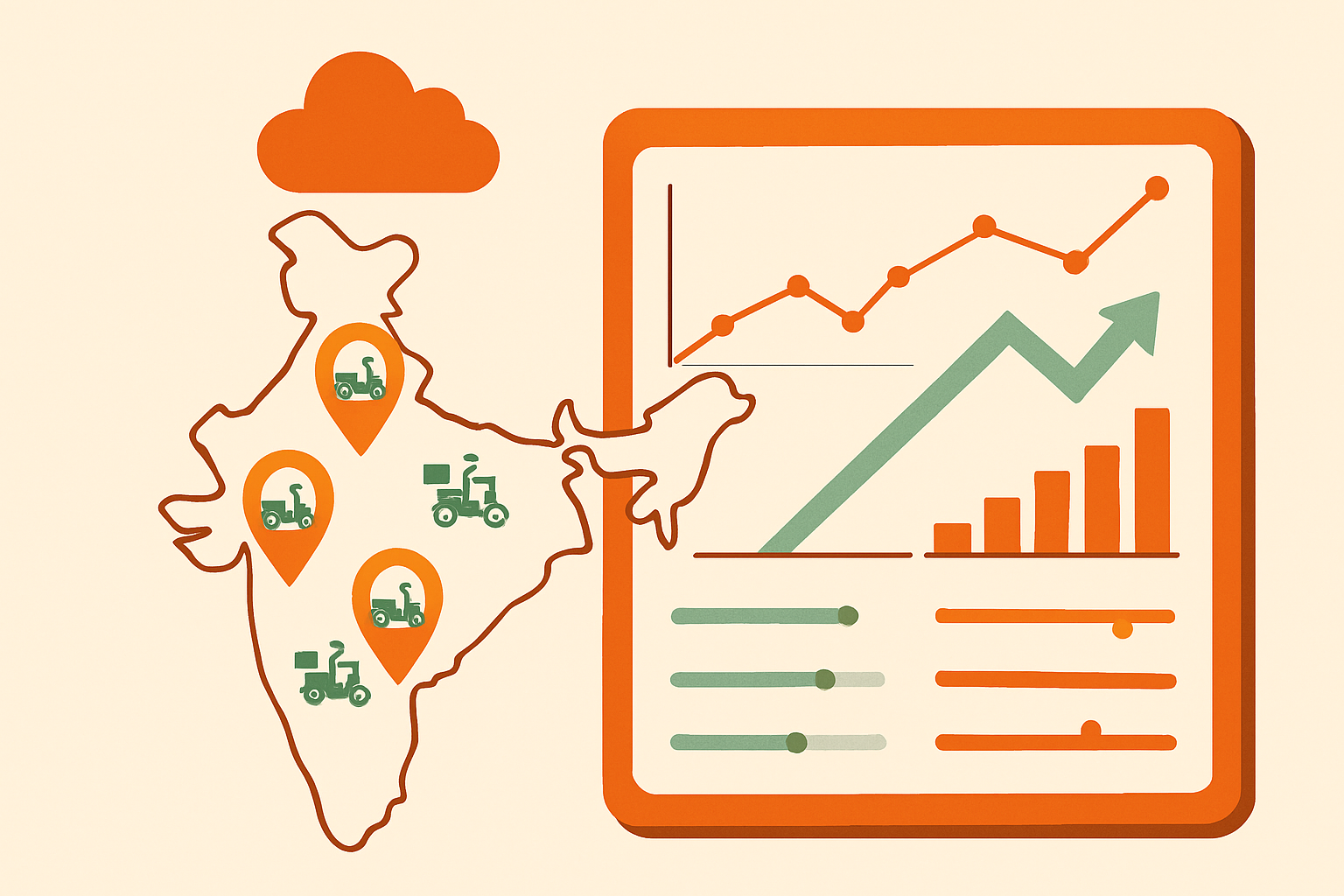
Cloud kitchens in India face fierce competition and fluctuating demand, making fixed pricing strategies less effective. Dynamic pricing cloud kitchens enable operators to adjust prices in real-time based on demand, time, and other factors, unlocking new revenue streams. This guide reveals how Indian cloud kitchens can implement smart pricing strategies to boost profits and stay ahead in the evolving food delivery market.
Quick answer: Dynamic pricing in cloud kitchens involves adjusting menu prices in real-time based on factors like demand, time of day, and customer behavior. Indian cloud kitchens can implement dynamic pricing through automated software tools that use data-driven models, optimizing prices for peak and off-peak hours to maximize revenue and profitability.
What is Dynamic Pricing in Cloud Kitchens?
Dynamic pricing refers to the practice of fluctuating menu prices in response to real-time factors such as order volume, time of day, and customer demand. In the context of cloud kitchens, this means prices are not fixed but adapt based on market conditions and operational variables.
Static pricing keeps menu rates constant, which can lead to missed revenue opportunities during high demand or underutilization during slow periods.
Dynamic pricing leverages data like order frequency, delivery times, and historical trends to forecast demand and adjust prices accordingly.
Understanding price elasticity—how sensitive customers are to price changes—is essential for optimizing pricing without losing orders.
In India’s food delivery market, where demand can swing sharply due to festivals, weather, or local events, dynamic pricing helps cloud kitchens stay agile and profitable.
For example, a Mumbai-based cloud kitchen reported a 15% revenue increase within two months after shifting from fixed pricing to a dynamic model that adjusted prices based on order volumes and delivery slot congestion.
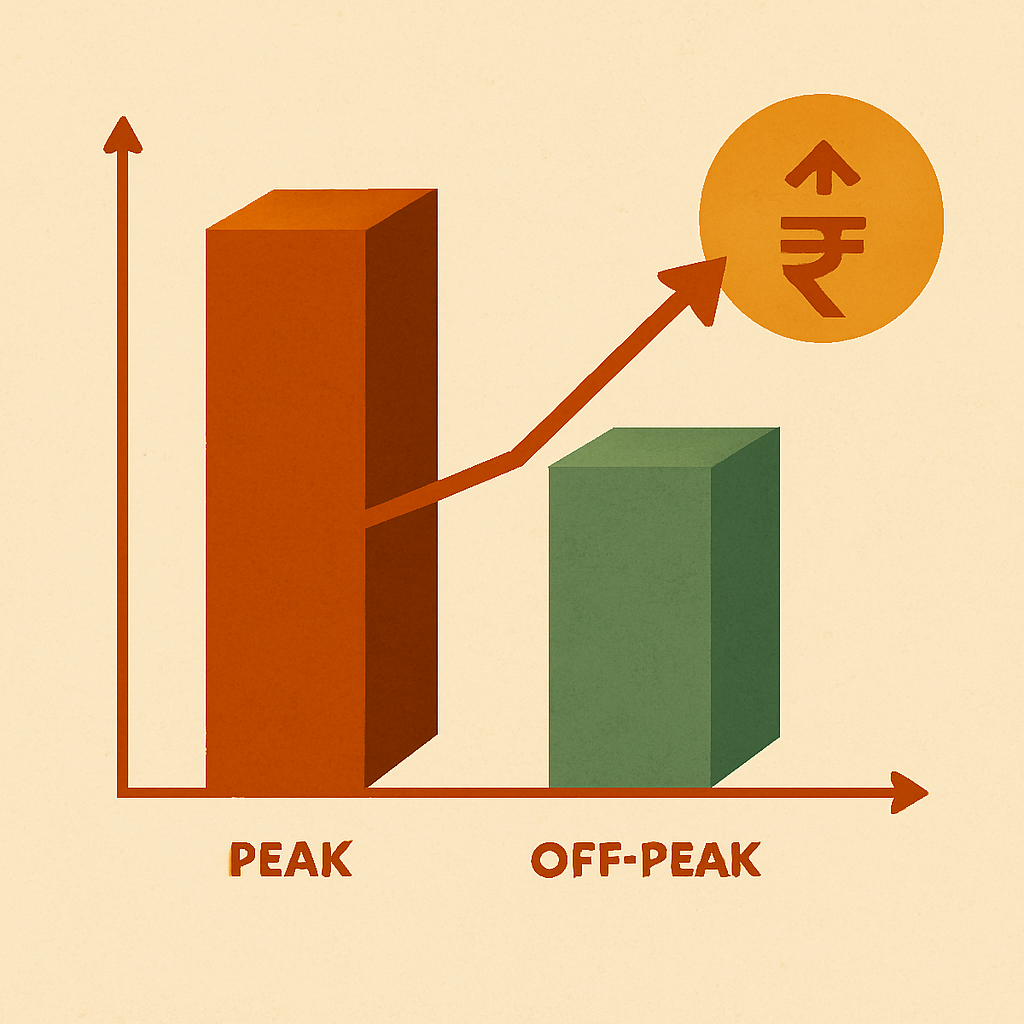
Graph illustrating peak and off-peak order volumes with price changes in an Indian metro city
Implementing Time-Based Pricing Cloud Kitchens in India
Time-based pricing involves setting different price points depending on the hour of the day or day of the week. This strategy is particularly effective in Indian metro cities where lunch and dinner rush hours see heavy order traffic, while mid-afternoon and late-night periods tend to be slower.
Peak hours in cities like Delhi and Bengaluru typically fall between 12 PM to 3 PM and 7 PM to 10 PM, when demand surges.
Off-peak hours might be early mornings or late afternoons, where discounted pricing can incentivize orders.
Cloud kitchens can analyze historical sales data and integrate with food delivery platforms to automate price adjustments in real time.
Dynamic discounts during slow hours encourage utilization of kitchen capacity and improve cash flow.
A Mumbai cloud kitchen implemented time-based pricing by increasing prices by 10-15% during evening peak hours and offering a 12% discount for orders between 3 PM and 5 PM. This led to a 20% increase in average order value during evenings and a 17% boost in afternoon order volumes.
Demand-Based Pricing Models for Revenue Optimization Cloud Kitchens
Demand-based pricing tailors menu prices according to observed or predicted customer demand patterns, factoring in segmentation and external influences.
Using data analytics, cloud kitchens can identify high-demand items, peak order times, and customer segments willing to pay a premium.
Dynamic menu pricing adjusts individual item prices based on order frequency, time, customer profiles, and even weather or local events.
Balancing price sensitivity with margin maximization is crucial; too high a price risks losing customers, too low leaves revenue on the table.
AI and machine learning tools can predict demand spikes and automate price changes accordingly.
For instance, cloud kitchens in Delhi using demand-based pricing models reported a 12% increase in profit margins within three months by selectively increasing prices on high-demand items during peak times while offering bundle discounts during slower periods.
Automated Pricing Cloud Kitchens: Tools and Software in India
Automation is key to effectively implementing dynamic pricing without overwhelming kitchen operations. Several SaaS platforms tailored for Indian cloud kitchens offer features that enable real-time price optimization.
Key features include real-time demand forecasting, price automation, menu management, and integration with popular delivery platforms like Swiggy and Zomato.
Automation reduces manual errors, shortens response time to market changes, and ensures pricing consistency across channels.
Scalability is important—solutions should cater to small cloud kitchens as well as large multi-brand kitchens.
Cost structures vary, but many SaaS tools offer subscription models that scale with order volume and feature use.
BiteOrder’s automated pricing engine helped a Bangalore cloud kitchen reduce pricing errors by 30% and increase revenue by 18% within six weeks by integrating real-time data and automating price adjustments synchronized with delivery app demand.

Mockup of an automated pricing tool interface integrated with Indian food delivery apps
Optimizing Peak Hour and Off Peak Pricing Cloud Kitchens
Effectively managing pricing across peak and off-peak periods can significantly enhance kitchen utilization and overall revenue.
Identify peak demand windows specific to your city and customer base—these differ between metros like Hyderabad and tier-2 cities such as Pune.
Introduce incentive pricing during off-peak hours—discounts, combo meals, or free delivery to attract orders and maintain kitchen activity.
Leverage promotions and bundle deals aligned with dynamic pricing to increase average order value, especially during peak times when customers expect premium offerings.
Regularly monitor competitor pricing to stay competitive during high-traffic periods without eroding margins.
In Hyderabad, a cloud kitchen saw a 25% increase in off-peak sales after implementing a 10-15% discount on orders placed between 2 PM and 5 PM, combined with bundled combos that appealed to office workers and students.
Challenges Indian Cloud Kitchens Face in Pricing and How to Overcome Them
While dynamic pricing presents opportunities, Indian cloud kitchens face several unique challenges.
Price sensitivity: Indian consumers are often highly price-conscious, with regional and cultural variations impacting willingness to pay.
Delivery charges and commissions: These can fluctuate due to third-party delivery platform policies, affecting final customer price perception.
Data quality and infrastructure: Limited access to real-time, accurate data in some regions hampers effective pricing automation.
Regulatory and transparency concerns: Customers expect clear communication on pricing changes to avoid mistrust or complaints.
An Indian cloud kitchen overcame these hurdles by combining customer feedback loops with data-driven pricing adjustments, ensuring transparency in communication. This approach improved customer satisfaction scores by 10% and reduced order cancellations related to pricing disputes.
Checklist: Best Practices for Dynamic Pricing Cloud Kitchens in India
Leverage data analytics and real-time demand forecasting: Use historical and live data to inform pricing decisions. Example: A Delhi cloud kitchen schedules price hikes for weekends based on order surges.
Segment pricing by location, time, and customer demographics: Tailor prices to regional demand and customer willingness to pay. Example: Tier-2 city cloud kitchens offer lower base prices compared to metro areas.
Use automated SaaS tools like BiteOrder for pricing adjustments: Automate pricing to respond quickly to market changes and reduce errors.
Regularly monitor competitor pricing and market trends: Stay competitive without engaging in price wars. Example: A Mumbai cloud kitchen adjusts dinner prices weekly based on Swiggy’s top competitors.
Communicate pricing changes transparently to customers: Use app notifications or menu labels to explain dynamic pricing, avoiding confusion and building trust.
Frequently Asked Questions
What is dynamic pricing in cloud kitchens?
Dynamic pricing in cloud kitchens means adjusting menu prices in real-time based on factors like demand, time, and customer behavior to maximize revenue.
How can cloud kitchens implement time-based pricing?
By analyzing peak and off-peak hours and adjusting prices accordingly, cloud kitchens can increase prices during busy periods and offer discounts during slow times.
What tools help automate pricing in cloud kitchens?
SaaS platforms like BiteOrder provide automated pricing engines that integrate real-time data and demand forecasting to adjust prices dynamically.
How to optimize pricing for peak and off-peak hours?
Identify demand patterns, set higher prices during peak hours, offer incentives during off-peak times, and monitor competitor pricing for balance.
What are the benefits of demand-based pricing models?
They help maximize revenue by aligning prices with customer demand, improving profit margins, and reducing wastage during low demand.
How does data-driven pricing increase cloud kitchen revenue?
Data-driven pricing uses analytics and forecasting to set optimal prices, improving order volumes and average order values based on real customer behavior.
What challenges do Indian cloud kitchens face in pricing?
Challenges include price sensitivity, delivery cost management, data limitations, and ensuring transparency in pricing strategies.
For Indian cloud kitchen operators looking to seamlessly implement dynamic pricing strategies, integrating automated tools like BiteOrder can simplify data-driven pricing adjustments and enhance revenue optimization without added complexity.