AI Inventory Management Cloud Kitchens: Impact in India 2026

Indian cloud kitchens face unique challenges in managing inventory due to diverse cuisine demands and fluctuating festival season spikes. Inefficient inventory leads to excessive food waste and increased operational costs. Leveraging AI-driven predictive inventory management promises to optimize stock levels, reduce waste, and enhance profitability by accurately forecasting demand patterns specific to Indian cuisine and festivals.
Quick answer: AI-based inventory management helps Indian cloud kitchens reduce food waste and costs by leveraging predictive analytics to forecast demand accurately, especially during festival seasons. Real-time data integration enables dynamic inventory adjustments, minimizing excess stock and spoilage while optimizing supply chain efficiency.
What is AI Inventory Management for Cloud Kitchens in India?
AI inventory management is a technology-driven system that applies machine learning and predictive analytics to optimize inventory levels dynamically. For Indian cloud kitchens—operating without physical storefronts and catering to a vast array of regional cuisines—this approach is especially crucial.
AI systems integrate real-time data such as order frequency, ingredient usage, and supply timelines to adjust inventory continuously.
They consider Indian food consumption trends, including varied regional preferences and the impact of festivals, which cause sharp demand spikes.
By forecasting these demand fluctuations, cloud kitchens avoid overstocking perishables and reduce wastage.
Take the example of a Mumbai-based cloud kitchen specializing in Maharashtrian and Konkani dishes. After deploying an AI-powered demand forecasting tool tailored to local cuisine preferences and festival calendars, they reported a 30% reduction in inventory waste within six months. This translated into significant savings on procurement and disposal costs while maintaining dish availability during peak periods.
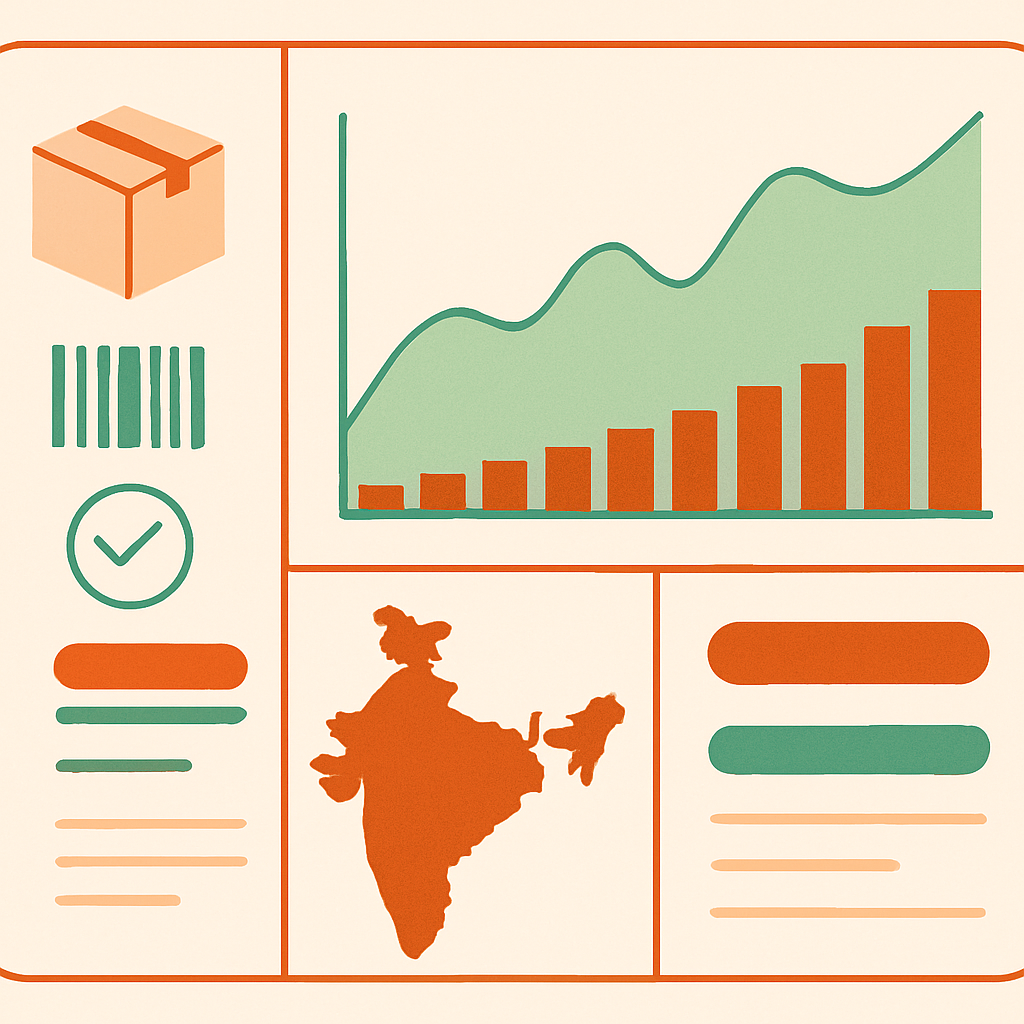
Dashboard of AI inventory software forecasting festival demand in Indian cloud kitchens
Predictive Inventory Tools Indian Cloud Kitchens Use in 2026
By 2026, Indian cloud kitchens widely adopt AI-powered inventory software designed to meet their unique operational needs.
Key features include demand forecasting models trained on Indian food demand patterns, real-time stock monitoring dashboards, and automated reorder alerts that sync with suppliers.
Integration with delivery and supply chain platforms streamlines procurement and inventory updates, improving supply chain efficiency.
Customization modules allow cloud kitchens to adjust for regional cuisine variations and festival season demand spikes, ensuring the right stock for dishes like Hyderabadi biryani during Ramzan or South Indian idlis during Pongal.
For instance, a Bengaluru cloud kitchen focusing on South Indian cuisine uses AI tools to anticipate weekend surges in dosa and filter coffee orders. This predictive insight increased their inventory turnover rate by 25%, reducing ingredient spoilage and improving cash flow.
How AI-Driven Inventory Management Reduces Food Waste in Indian Cloud Kitchens
Food waste is a significant cost and sustainability concern for Indian cloud kitchens. AI helps tackle this by:
Using predictive analytics to prevent overstocking of perishable ingredients like fresh vegetables, spices, and dairy products.
Enabling real-time inventory adjustments based on order patterns and last-minute cancellations.
Integrating with waste management technology to track spoilage and provide actionable alerts.
Sending notifications for near-expiry stock and recommending menu adjustments to prioritize their use.
A Delhi-based cloud kitchen specializing in North Indian thalis implemented AI-driven food waste reduction tools. Within a year, they reported a 40% decrease in food waste, thanks to precise demand predictions aligned with Indian culinary specifics and efficient stock rotation.
Role of Festivals in AI Demand Forecasting for Indian Cloud Kitchens
Indian festivals cause pronounced spikes in food demand, varying by region and cuisine. AI systems incorporate this by:
Identifying major festivals like Diwali, Holi, Eid, Durga Puja, and Christmas that affect order volumes and dish preferences.
Analyzing historical sales data alongside social media trends to forecast demand surges.
Adjusting inventory and supply chain logistics well before festivals to ensure ingredient availability.
Managing real-time inventory during festival seasons to handle demand volatility without overstocking.
For example, a cloud kitchen in Kolkata leverages AI predictive tools to scale up inventory for Bengali sweets and snacks during Durga Puja. This proactive approach ensures they meet demand spikes without excessive leftover stock, improving profitability.
Cost Savings and Inventory Optimization Through AI in Cloud Kitchens 2026
AI-powered inventory management delivers measurable cost efficiencies:
Holding costs decrease by minimizing excess stock, freeing up working capital.
Automated procurement enhances supply chain efficiency, reducing manual errors and delays.
Lower spoilage and waste disposal expenses improve the bottom line.
Higher inventory turnover rates ensure fresher ingredients, enhancing food quality and customer satisfaction.
For instance, a Hyderabad cloud kitchen reported a 20% reduction in overall inventory management costs after integrating AI solutions. Savings came from lower holding costs and reduced spoilage, contributing directly to improved margins.
Comparison: Top AI-Powered Inventory Software for Indian Cloud Kitchens
Choosing the right AI inventory software depends on features, integration, customization, pricing, and user feedback. Here's a comparison of three leading platforms popular among Indian cloud kitchens in 2026:
Feature / Platform FoodSense AI StockSmart India KitchenIQ Pro Predictive analytics tailored for Indian cuisineAdvanced ML models with regional dataGood, with festival modulesModerate, mostly pan-India Real-time inventory trackingYesYesYes Festival demand forecastingComprehensive including social media trendsIncluded for major festivalsLimited Integration with POS and delivery platformsSeamless with major Indian systemsGood, supports popular platformsBasic integrations Customization for regional cuisineHighMediumLow Pricing model₹15,000/month scalable₹10,000-₹20,000/month₹8,000/month flat User reviews (India)4.7/5, praised for accuracy4.3/5, good support3.9/5, easy setup
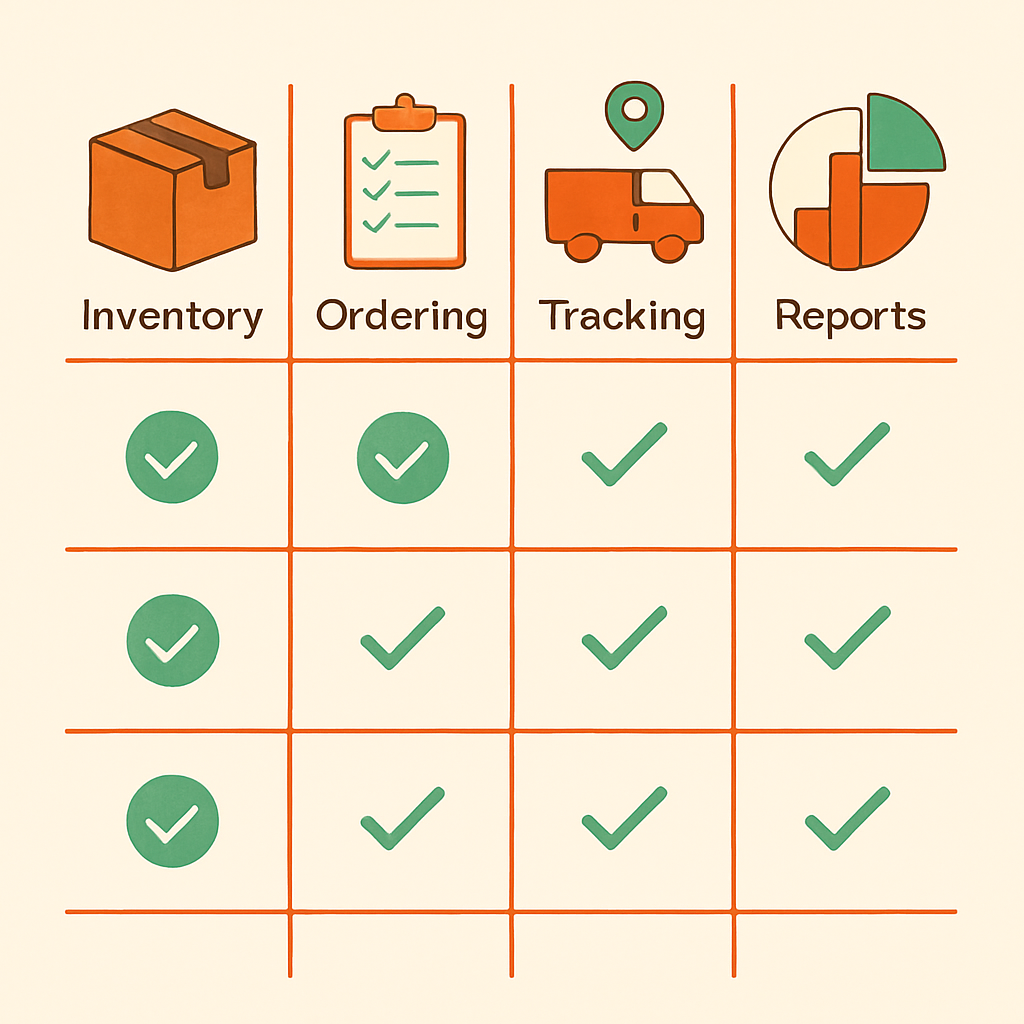
Comparison chart of AI inventory tools features for Indian cloud kitchens
Data Sources for Real-Time Demand Prediction in Indian Cuisine
Accurate AI forecasting depends on diverse data inputs:
POS transaction data: Captures order frequency and item popularity, reflecting real-time customer preferences.
Weather and local event data: Influences food consumption patterns; for example, increased hot beverage orders on cold days.
Social media sentiment and trends: Tracks emerging food preferences and viral dishes, important in dynamic urban markets.
Historical sales data: Critical for identifying patterns during festivals and holidays.
Supplier lead times and inventory turnover: Helps in planning procurement and avoiding stockouts or overstocking.
A Pune cloud kitchen specializing in chai and snacks combines weather forecasts with historical sales data to predict demand for hot beverages, adjusting inventory accordingly to minimize wastage and meet customer expectations.
Frequently Asked Questions
How does AI-driven inventory management reduce food waste in Indian cloud kitchens?
AI predicts accurate demand using historical and real-time data, minimizing overstocking and spoilage, and prioritizes usage of near-expiry ingredients.
What role do festivals play in demand forecasting for Indian cloud kitchens?
Festivals cause significant spikes in demand for specific regional dishes; AI uses historical festival data and trends to adjust inventory proactively.
Which AI tools are best for predictive inventory management in cloud kitchens?
Top tools feature machine learning models trained on Indian food demand, real-time stock tracking, and integration with POS and supply chain systems.
How can cloud kitchens optimize costs using AI-powered inventory systems?
By reducing excess inventory, minimizing waste, automating procurement, and improving turnover rates, AI systems lower holding and spoilage costs.
What data sources are used for real-time demand prediction in Indian cuisine?
POS data, weather, local events, social media trends, and supplier information collectively inform AI demand forecasting.
How does AI help manage excess inventory in cloud kitchens?
AI sends alerts for excess or near-expiry stock, suggests menu adjustments, and automates reorder quantities to prevent overstocking.
What are the benefits of predictive analytics for Indian cloud kitchen operators?
Benefits include reduced waste, cost savings, improved customer satisfaction through availability, and better supply chain efficiency.
Cloud kitchen operators looking to harness AI-driven inventory management can explore solutions like BiteOrder, which seamlessly integrate predictive analytics tailored for Indian cuisine and festival demand patterns, ensuring optimized inventory and reduced food waste without disrupting daily operations.